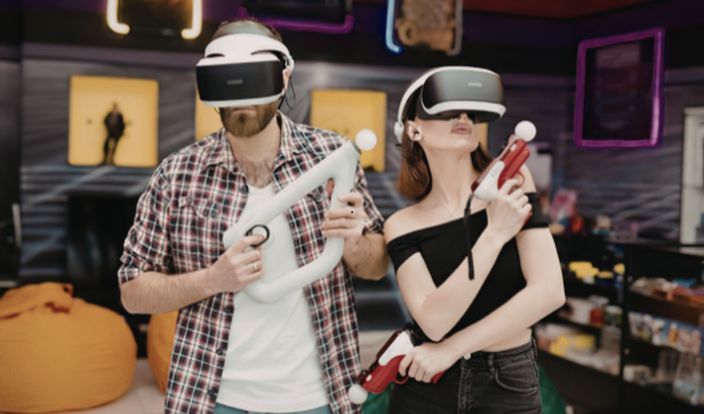
Production-Ready Physical AI Data for Robotics & Embodied Intelligence
Physical AI demands data that captures how intelligent systems perceive, understand, and interact with the physical world. OTS Data provides production-ready datasets designed for robotics, embodied AI, humanoid systems, autonomous machines, and real-world task learning. Our datasets are carefully collected, annotated, and structured to help teams train models that perform reliably across complex physical environments.
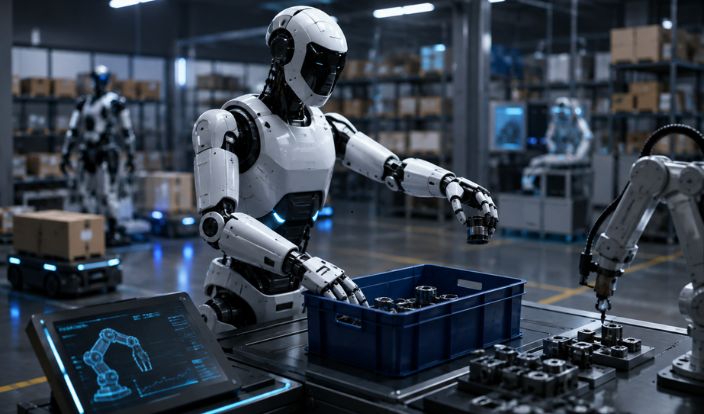
Robotics & Embodied AI
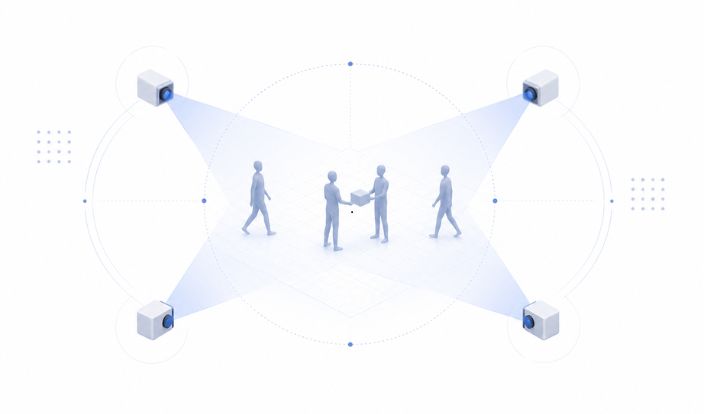
Multimodal Perception & Sensor Fusion
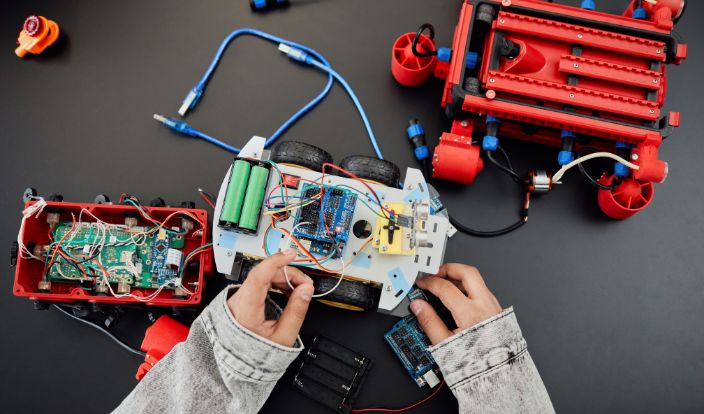
Manipulation, Motion & Task Learning
Physical AI
Physical AI
Available Datasets
Datasets marked Sample-Ready can be reviewed within days. Partner-Led collections are scoped to your physical AI use case, target capability, and deployment requirements.
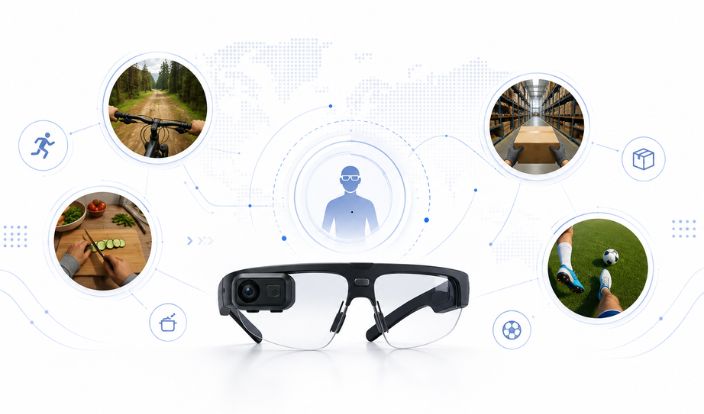
Egocentric Human Activity Dataset
Use Case: Human Behavior Understanding
Count: 10,000+ hours (India, Latam and USA)
*Volumes shown are indicative and can be scaled based on project requirements. Images are representative and may not reflect actual dataset samples. Request a sample to review the available dataset media.
Compliance
Compliance
Security & Compliance
HIPAA
ISO 9001 : 2015
SOC 2 Type ll
ISO 27001
GDPR
Accurate Data
Accurate Data
Why Choose Us?
Real-World Physical AI Data
Datasets capture real-world environments, human actions, objects, and physical interactions to support embodied AI and robotics training.
Built for Your Robot & Use Case
Customize datasets by robot morphology, sensors, environment, task, modality, and annotation requirements.
Privacy & Safety by Design
Data is carefully de-identified and collected with privacy, safety, and responsible AI requirements in mind.
Human-Validated Data Quality
Expert review and quality-control processes help ensure accurate annotations, consistent data, and reliable training inputs.
Frequently Asked Questions
Frequently Asked Questions
Frequently Asked Questions
Physical AI datasets contain real-world data that helps AI systems perceive environments, understand physical interactions, and learn actions such as navigation, manipulation, assembly, and motion.
Our collection includes robotics, humanoid motion, hand-object interaction, multimodal sensor data, pick-and-place, industrial assembly, bimanual manipulation, and agricultural robotics datasets.
Yes. Partner-led datasets can be scoped around your robot morphology, sensors, environment, target tasks, and specific capability requirements.
Depending on the dataset, formats can include RGB/RGB-D video, JSON, Parquet, point clouds, trajectories, depth data, calibration data, CAD metadata, and robot-specific formats. Annotations may include poses, actions, object states, grasp phases, task steps, and trajectories.
Select a dataset and click Request Data. Sample-ready datasets can typically be reviewed within days, while partner-led collections are scoped according to your project requirements.